

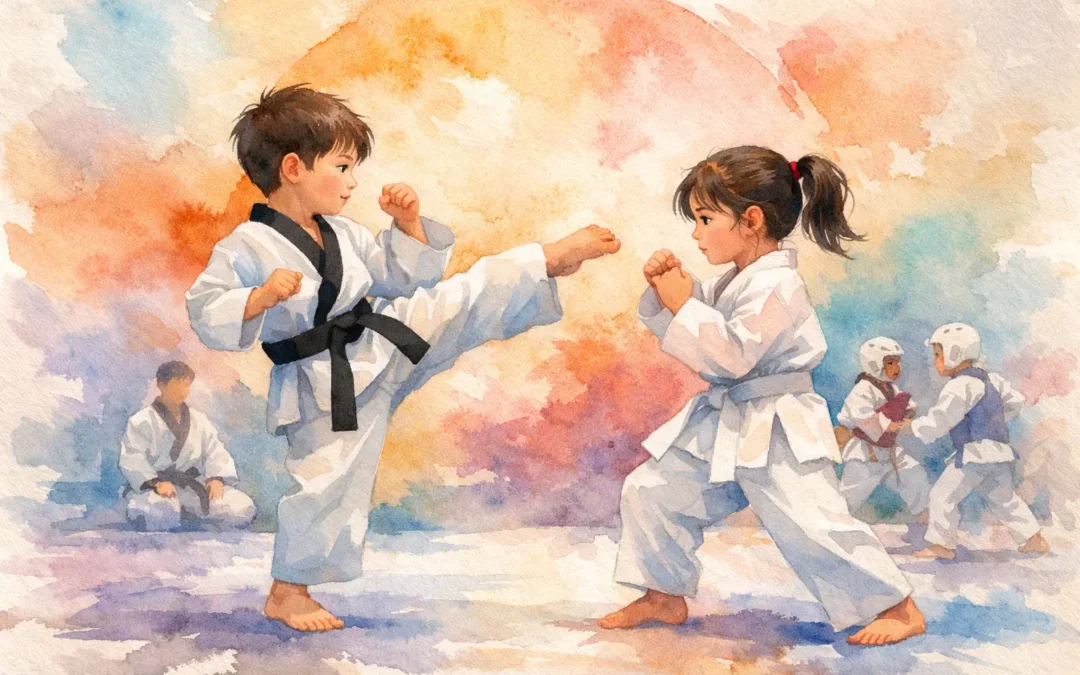
A lot of parents ask the same question right before enrolling their child in class: what age can kids start taekwondo, and how do you know if it is the right time? The honest answer is that some children are ready as early as 3 or 4, while others do better starting a little later. Age matters, but readiness matters more.
Taekwondo can be an outstanding activity for kids because it builds more than kicks and punches. In the right program, children learn how to listen, follow directions, control their bodies, and respond with respect. That is why the best starting point is not just a birthday. It is a mix of maturity, attention span, confidence level, and the structure of the class itself.
What age can kids start taekwondo in most programs?
Most taekwondo schools begin accepting children between ages 4 and 6. That is the range where many kids can participate in a group setting, follow simple instructions, and stay engaged long enough to benefit from training. Some schools also offer early childhood martial arts classes for 3-year-olds, but those classes usually look very different from standard beginner taekwondo.
For younger children, the goal is not technical perfection. It is learning foundational habits like balance, focus, body awareness, and self-control. A good instructor understands that a preschooler will not train the same way a 7-year-old does. The teaching style, pace, and expectations all need to fit the child’s stage of development.
By elementary school, many kids are ready for more traditional taekwondo structure. They can handle drills better, remember sequences more easily, and understand the connection between effort and progress. That is often when parents start to see the full benefits of martial arts training show up at home and at school.
The best age depends on the child, not just the number
If your child is 4, that does not automatically mean they are ready. If they are 6 and a little shy or hesitant, that does not mean they are too late. Readiness shows up in practical ways.
A child who is ready for taekwondo can usually separate from a parent without major distress, follow one or two-step directions, participate safely in a group, and recover when corrected. They do not need to be highly athletic. They do need enough emotional and physical control to join a structured class without feeling overwhelmed.
That last part is important. Martial arts should challenge a child, but it should not feel chaotic or frustrating every class. When the fit is right, kids start building confidence because they can succeed in small steps. When the fit is wrong, even a great program can feel too demanding too soon.
Ages 3 to 4: A gentle introduction
At this age, taekwondo works best as an introduction to movement and structure. Young children are still developing coordination, impulse control, and attention span. They may love the uniform, the energy, and the idea of martial arts, but they still need a class built specifically for early learners.
A strong preschool martial arts program keeps instructions simple and repetition high. Classes are usually shorter, transitions are quick, and the focus stays on basics like stance, balance, listening, and respectful behavior. Students this age are not expected to train like older children. They are learning how to be students first.
For some families, starting this early is a great move. For others, waiting a year makes the experience much smoother. There is no trophy for starting first. The goal is to start well.
Ages 5 to 6: A common sweet spot
For many children, this is the ideal range to begin taekwondo. They are typically better able to focus, participate independently, and understand routine. They also begin enjoying measurable progress, which is a big part of what keeps kids motivated.
At this age, children can often start learning real technique while still developing core life skills like patience, discipline, and respectful communication. They usually respond well to clear expectations and positive correction. That makes class productive without taking the fun out of it.
Parents also tend to notice carryover more quickly. A child who practices standing still, paying attention, and finishing drills in class often begins showing more self-control in other parts of life too.
Ages 7 and up: Still an excellent time to start
Some parents worry they have missed the window if their child did not begin martial arts early. That is simply not true. Starting at 7, 8, 10, or even later can be a great advantage. Older beginners often understand instruction faster, retain techniques more easily, and progress with strong intention.
They may also come into training with clearer personal goals. Some want confidence. Some need better focus. Some just want an activity that feels challenging and rewarding. Taekwondo meets those needs well because progress is earned step by step.
Older beginners can usually handle more technical detail and more consistent practice. That does not make them better than younger starters. It just means they often benefit from a different kind of instruction and can gain momentum quickly.
Signs your child is ready to start taekwondo
If you are trying to decide whether now is the right time, look beyond enthusiasm alone. Kids may be excited about martial arts because it looks fun, but readiness comes down to behavior and participation.
A child is often ready when they can join a group activity with basic cooperation, listen even when they are excited, and accept guidance without shutting down. They should also be able to move safely in a room with other children. Perfection is not required. Growth is expected. But a basic level of coachability makes a big difference.
It also helps if your child shows interest in learning, not just playing. Taekwondo should absolutely be enjoyable, especially for beginners, but it is still a structured discipline. The best programs balance encouragement with standards.
What parents should look for in a beginner program
The right age matters less if the class is not designed well. A beginner taekwondo program should feel organized, safe, and age-appropriate from the moment you walk in. Instructors should know how to keep children engaged without letting the room become disorderly.
Look for classes that teach more than physical movements. Respect, focus, listening, effort, and self-control should be built into the lesson, not treated like an afterthought. That is where martial arts becomes a powerful developmental tool instead of just another after-school activity.
It also helps to pay attention to how instructors correct students. Strong instruction is clear and confident, but it should never feel harsh or careless. Kids improve best when they feel supported and challenged at the same time.
In a family-focused academy, beginner students are not thrown into an intimidating environment. They are welcomed, guided, and taught with purpose. That is especially important for younger children and first-time families.
Is taekwondo safe for young kids?
When taught properly, taekwondo is very safe for children. Beginner classes focus on controlled movement, supervised drills, and age-appropriate skill development. Young students are not expected to do advanced techniques before they are ready.
Good safety comes from good teaching. Certified instructors, structured class plans, and clear rules create the kind of environment where kids can learn with confidence. Parents should expect a program to emphasize control before contact, discipline before intensity, and correct form before speed.
As with any physical activity, bumps and minor soreness can happen. But in a quality school, safety is part of the culture, not just a checklist item.
The real question behind what age can kids start taekwondo
Usually, parents are not only asking about age. They are also asking whether their child will thrive. Will they feel confident? Will they stay focused? Will the class help them grow stronger in the right ways?
That is the better question to ask. Taekwondo is not about rushing kids into belts or comparing them to others. It is about helping them build discipline, resilience, and self-belief through consistent training. When a child starts at the right time in the right environment, those lessons can last far beyond the mat.
At United Martial Arts Katy, families often find that the best first step is simply seeing how a child responds to a structured beginner class. Sometimes the answer is yes, they are ready now. Sometimes the answer is almost, give it a little time. Both are valuable.
The right age to start taekwondo is the age when your child can step onto the mat, feel supported, and begin learning with confidence. That might be 4. It might be 6. It might be later. What matters most is not starting early. It is starting with purpose.


Recent Comments