

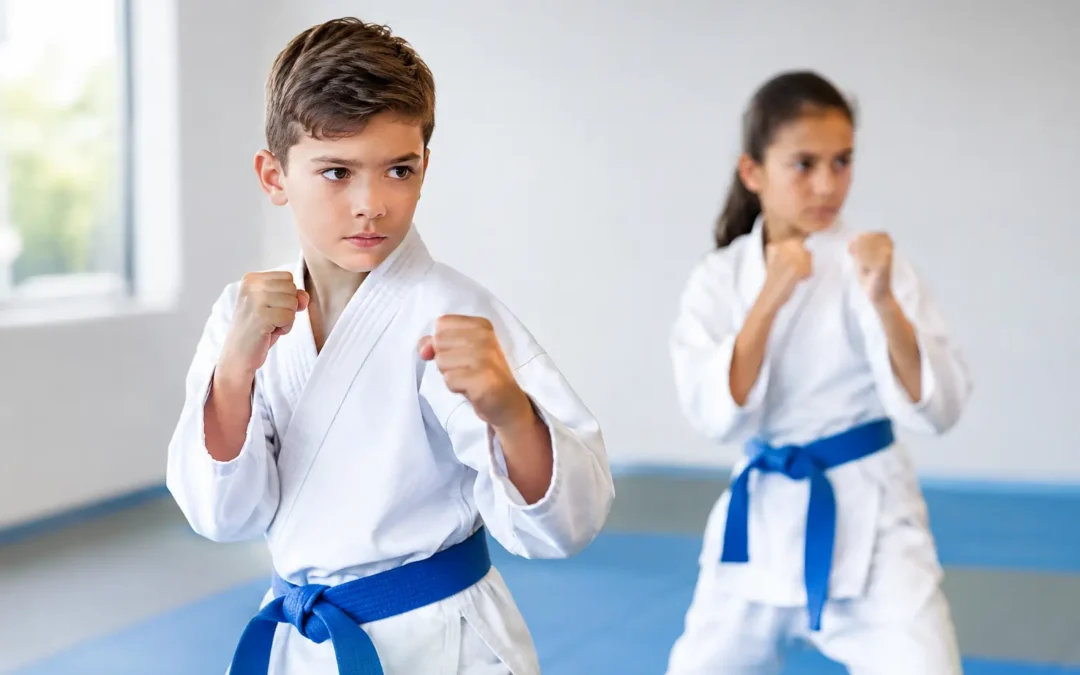
A child who is being picked on does not need to be told to simply “be tougher.” They need adults, practical support, and a safe place to build skills over time. So, do martial arts help bullying? They can help significantly, but not because they turn children into fighters or give them permission to solve conflict with force.
The right martial arts program teaches a student how to carry themselves with confidence, recognize unsafe situations, set boundaries, manage fear, and seek help early. It also gives children a community where effort, respect, and self-control matter. Those are meaningful protections, especially when they are reinforced at home and at school.
Do Martial Arts Help Bullying? Yes, With the Right Expectations
Martial arts are not a magic shield against bullying. A child can train hard, earn belts, and still encounter unkind behavior from peers. Bullying is a behavior problem that must be addressed by the adults and systems around it, including parents, teachers, school administrators, and coaches.
What training can change is the way a child responds. Many children who are targeted by bullies appear isolated, uncertain, or visibly overwhelmed. That is never their fault. Still, a child who develops calm posture, clearer communication, and stronger social confidence may be less likely to look like an easy target.
More importantly, martial arts gives students options. They learn that strength is not the same as aggression. A confident student can use a firm voice, create space, leave an unsafe situation, and get an adult involved without feeling weak for doing so.
For a child who has already been bullied, consistent training can also restore something that bullying often takes away: a sense of control. Progress is earned one class at a time. Learning a technique, improving balance, or facing a challenging drill reminds a student, “I can handle hard things.”
Confidence Is More Than Looking Tough
Parents sometimes picture confidence as a child who talks louder or acts fearless. Real confidence is quieter. It is the ability to walk into a new room, make eye contact, speak clearly, and trust your own judgment.
A structured martial arts class builds that confidence through repetition and accountability. Students are asked to listen, practice, make mistakes, and try again. They gradually become comfortable being challenged in a supervised environment. That experience carries into school, friendships, and other unfamiliar situations.
The physical side matters, too. Better coordination, body awareness, and conditioning can change how a child feels in their own body. Students often stand taller and move with more purpose. They do not need to prove themselves to everyone around them because they have evidence of their own growth.
This does not mean every child becomes outgoing. Some students remain naturally quiet, and that is perfectly healthy. The goal is not to change a child’s personality. The goal is to help them feel secure enough to use their voice when it matters.
Self-Defense Training Teaches Restraint First
One of the most valuable lessons in a quality academy is that physical skills come with responsibility. Students should never be taught that a disagreement, insult, or social conflict is a reason to strike someone.
Instead, effective self-defense instruction follows a clear priority: avoid the conflict when possible, use verbal boundaries, move away, get help, and use physical defense only when there is an immediate need to protect yourself from harm. That distinction is essential for children and teens.
Brazilian Jiu-Jitsu, wrestling, and other grappling-based training can be especially useful for teaching control at close range. Students learn balance, positioning, and how to escape or create distance without centering their training on punches. Tae Kwon Do can build focus, coordination, and disciplined movement while reinforcing respect and control.
No single style is a complete answer by itself. The quality of instruction, the safety of the training environment, and the values being taught matter more than the name on the class schedule. A child needs instructors who make it clear that martial arts skill is for protection, not intimidation.
What Responsible Training Sounds Like
Listen for language that emphasizes awareness, de-escalation, respect, and asking adults for help. A responsible instructor corrects rough behavior quickly and does not celebrate students for hurting, embarrassing, or dominating classmates.
At United Martial Arts Katy, students are expected to train with discipline, honor, and respect. Those standards are not decoration. They help create the kind of environment where children can practice challenging skills while learning how to treat others well.
Martial Arts Can Improve Social Skills and Belonging
Bullying often thrives when a child feels alone. A martial arts class gives students a chance to belong to a group outside their school social circle. They train alongside peers of different ages, personalities, and experience levels, connected by a shared goal rather than popularity.
That setting can be powerful for a child who has struggled socially. They may begin as the quiet student who stays close to a parent at the edge of the mat. Over time, they partner with classmates, learn names, encourage someone newer, and discover that they have something valuable to contribute.
Training also exposes students to a healthy version of competition. They learn to win without bragging and lose without quitting. They learn that a stronger or more advanced partner is not automatically an enemy. These lessons can reduce the all-or-nothing thinking that often fuels peer conflict.
Parents should not expect friendships to appear overnight. Some children need time before they feel comfortable. But regular classes create repeated opportunities for connection, and repeated positive experiences are how trust grows.
What Martial Arts Cannot Replace
If bullying is happening, enrolling in classes should not be the only action a family takes. A child may need immediate support from school staff, documentation of incidents, counseling, or a safety plan. If there are threats, physical assaults, harassment online, discrimination, or signs that your child is afraid to attend school, take the situation seriously and involve the appropriate adults right away.
Martial arts cannot fix a school’s failure to respond. It cannot make a bully suddenly empathetic. It also should not place the burden on the child being targeted to “train harder” so they can withstand mistreatment.
Parents can support their child by listening without rushing to judgment, asking specific questions, and practicing simple responses together. Help them identify trusted adults at school and make a plan for where to go if a situation feels unsafe. Then let martial arts be one part of a wider support system, not the entire system.
Choosing a Program That Supports Your Child
Not every class will be the right fit, particularly for a child who is anxious, sensitive, or recovering from a difficult experience. Visit the academy, observe how instructors speak to students, and notice how students treat each other.
Look for a program with age-appropriate classes, clear safety standards, and instructors who can explain how they handle rough conduct or conflict between students. Beginner-friendly instruction matters because a child who feels embarrassed or overwhelmed is unlikely to gain the confidence the family is seeking.
It is also wise to share relevant concerns privately with the instructor. You do not need to disclose every detail, but letting them know your child is working through confidence or peer issues can help them provide thoughtful encouragement. A good coach will not single your child out. They will help create manageable wins and reinforce positive behavior.
Consistency matters more than intensity. One exciting class may lift a child’s mood, but confidence is built through regular attendance, patient coaching, and small improvements that add up over months.
The Strongest Lesson Is Knowing You Have Choices
Martial arts can give children a powerful message: you are not helpless, and you do not have to become aggressive to be strong. They can learn to be alert without living in fear, assertive without being cruel, and physically capable without looking for a fight.
For parents, that is the real value. A well-run martial arts program does more than teach techniques. It gives children a steady place to practice courage, discipline, and respect alongside mentors and peers who expect the best from them.
When a child learns they can stand tall, speak up, walk away, and ask for help, they are building skills that reach far beyond the school hallway.


Recent Comments