

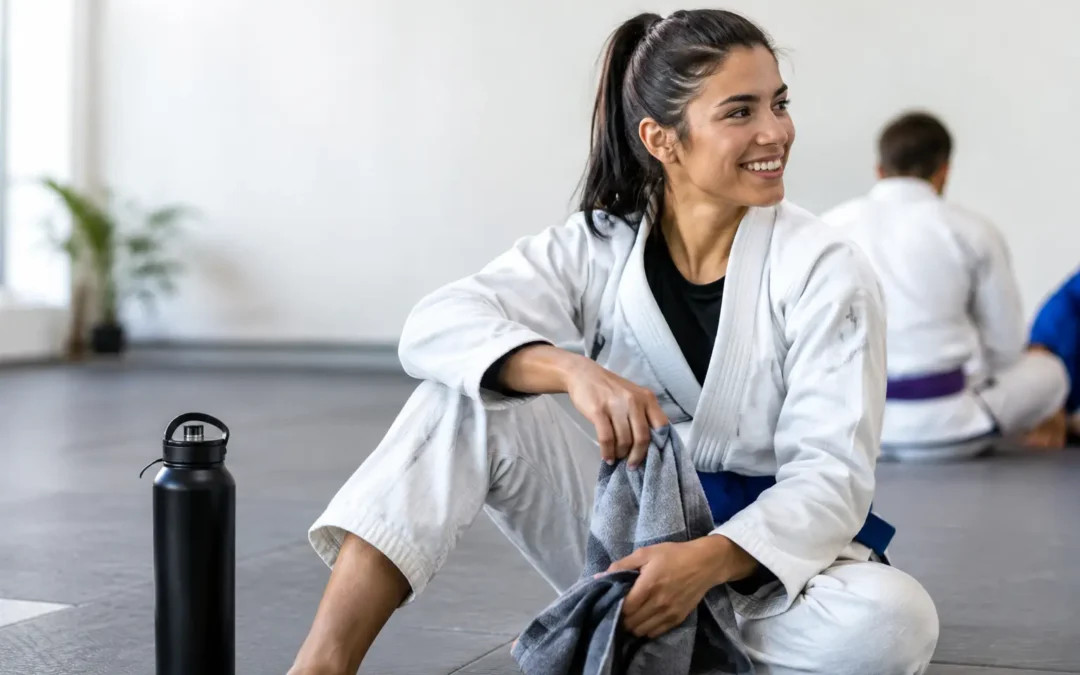
A close guard pass puts students shoulder-to-shoulder on shared mats. That is part of what makes Brazilian Jiu-Jitsu such an effective, confidence-building martial art – and why parents and new adult students understandably ask, is Brazilian Jiu Jitsu hygienic?
The honest answer is yes, when an academy and its students take hygiene seriously. BJJ is a contact sport, so it can never be risk-free. Sweat, skin contact, and shared training surfaces create opportunities for common skin infections to spread if people ignore basic standards. A clean academy does not pretend that reality does not exist. It builds smart routines that reduce the risk and protect the whole team.
Is Brazilian Jiu Jitsu Hygienic in a Good Academy?
Brazilian Jiu-Jitsu is hygienic when cleanliness is treated as part of training discipline, not as an optional courtesy. Just as students learn to tap early, control their movements, and respect their partners, they should learn how to arrive clean, train responsibly, and stay home when they may be contagious.
The biggest factor is consistency. Mats should be cleaned and disinfected before classes or between training blocks, especially after a busy session. Restrooms and common areas should be maintained, and students should not walk barefoot from the bathroom back onto the mat. A well-run academy also sets expectations for clean uniforms, trimmed nails, covered cuts, and prompt communication about possible skin conditions.
No martial art that involves close physical contact can offer a zero-risk guarantee. Wrestling, rugby, basketball, and even a crowded fitness class have similar concerns. What separates responsible BJJ training from careless training is a culture where safety rules are clear and followed without embarrassment.
Why Hygiene Matters on the Mat
Most BJJ hygiene concerns involve skin-to-skin contact. Conditions such as ringworm, impetigo, staph infections, and folliculitis can spread through direct contact or contaminated surfaces. These conditions are treatable, but training through them can expose teammates and turn a small problem into a larger one.
Sweat itself is not automatically dangerous. Everyone sweats during hard rounds, and a demanding workout is one reason many people choose Jiu-Jitsu over a routine gym session. The issue is that sweat can carry bacteria from one surface to another, particularly when there are scratches, irritated skin, or an undiagnosed infection involved.
That is why a clean-looking mat is not enough. Effective mat care means using an appropriate disinfectant, allowing it the needed contact time, and cleaning the full training surface instead of quickly wiping high-traffic spots. It also means checking the condition of mats. Cracked or damaged surfaces are harder to sanitize and should be repaired or replaced.
The Student Habits That Make Training Safer
Every student has a role in keeping the academy clean. Good hygiene begins before class, continues through the training session, and does not end until the uniform is washed.
Come to class in a freshly laundered gi, rash guard, shorts, and belt. A belt may feel like part of a uniform rather than laundry, but it collects sweat and contact just like everything else. Training gear should be washed after every session, not left in a gym bag overnight to develop odor and bacteria.
Shower as soon as reasonably possible after training. This is particularly valuable after a long session of live rolling, when sweat and friction can irritate the skin. Clean hands, clean feet, and short fingernails and toenails also protect training partners from unnecessary scratches.
Students should wear sandals or slides whenever they leave the mat area, including trips to the restroom. Shoes worn outdoors should never be worn on the training mats, and bare feet should not travel through common areas and return to them. It is a simple habit with a meaningful payoff.
If you have a cut, scrape, or cracked skin, clean it and cover it securely before class. If the bandage will not stay in place during training, it is wiser to sit out. That decision protects both the injured student and the people they train with.
When You Should Not Train
Discipline sometimes means choosing recovery over one more class. A student should not train with an unexplained rash, a suspicious circular patch of irritated skin, a draining wound, a fever, vomiting, or other signs of illness that could spread to partners.
This can be frustrating, especially for a child excited about class or an adult working toward a fitness goal. But taking a few days away from the mat is far better than passing an infection through a class and extending everyone’s time away. Parents should encourage children to speak up when something looks or feels unusual, without making them feel ashamed.
If a doctor diagnoses a contagious skin condition, follow the treatment plan and get medical clearance when appropriate before returning. Do not rely on internet guesses or attempt to cover up a rash and hope no one notices. Early action is usually simpler, safer, and less disruptive.
What Families Should Look for at a BJJ Academy
For parents, hygiene is not a minor detail. Children are still learning personal-care routines, may not recognize early symptoms, and often need reminders to keep gear clean. The right academy makes those expectations easy to understand and reinforces them consistently.
Ask how often mats are cleaned, whether the academy has a policy for suspected skin infections, and how instructors communicate hygiene expectations to students. Notice the basics during a visit. Do the mats look maintained? Are students wearing clean uniforms? Is there a clear separation between footwear areas and training space? Are instructors willing to address safety concerns directly?
A positive answer is not simply a promise that the facility is clean. It is evidence of systems: regular cleaning procedures, accountable instructors, and students who understand that respect includes protecting their teammates.
At United Martial Arts Katy, that mindset supports the larger goal of martial arts training. Students come to build confidence, fitness, self-defense skills, and character. A respectful training environment gives children, teens, and adults the confidence to focus on those goals.
The Academy’s Responsibility Goes Beyond Cleaning Mats
Even diligent students need leadership. Instructors should model the standards they expect by keeping the training space organized, addressing unsafe behavior promptly, and creating an environment where students can privately raise a health concern.
A responsible academy also avoids extremes. Harsh chemicals used incorrectly can irritate skin and lungs, while overly casual cleaning can leave microbes behind. The goal is an effective, routine sanitation process that fits the volume of classes and protects the people using the space.
Communication matters when a concern arises. While student privacy must be respected, academy leadership should handle potential exposure responsibly and give families practical guidance when needed. Silence or embarrassment helps no one. Calm, professional action protects trust within the team.
Hygiene Is Part of Respect in Brazilian Jiu-Jitsu
The best BJJ academies teach that a training partner is not just an opponent for the round. They are someone helping you improve. You cannot practice escapes, submissions, balance, or composure under pressure without a partner who is willing to train with you again tomorrow.
Showing up clean, washing your gear, staying off the mat when you are sick, and speaking up about possible infections are small actions with a big message: your teammates’ well-being matters. That is the same discipline that carries into better habits at home, school, work, and every other part of life.
A hygienic Jiu-Jitsu environment is not created by one deep clean or one strict rule. It is built class by class, through instructors who lead well and students who take responsibility for the community they share.


Recent Comments