
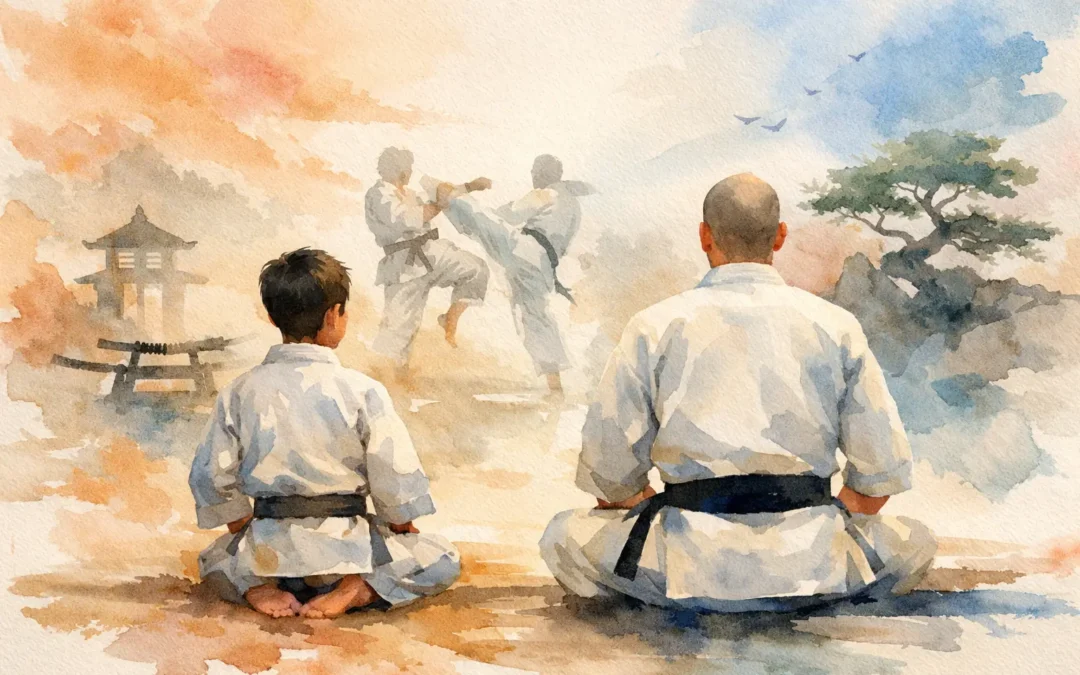
A student bows in, lines up with the class, and waits for instruction. That small moment says a lot about how martial arts teaches discipline. It is not about being harsh or rigid for the sake of control. It is about learning how to focus, follow through, respect the process, and keep improving even when progress feels slow.
For parents, that matters because discipline affects far more than performance in class. It shows up in school, at home, and in how a child handles frustration. For teens and adults, it shapes consistency, self-control, and confidence under pressure. Martial arts gives those lessons a clear structure, which is one reason students of all ages benefit from training.
How martial arts teaches discipline through structure
Discipline rarely appears out of nowhere. Most people do better when expectations are clear, routines are consistent, and progress has a path. Martial arts creates that environment from day one.
Every class has a rhythm. Students arrive, warm up, listen, practice, correct mistakes, and finish with purpose. That repeated structure helps students understand that improvement is earned through attention and effort, not luck or shortcuts. Over time, they begin to bring that same mindset into other parts of life.
This is especially valuable for children. Many kids are still learning how to manage energy, follow directions, and stay engaged when something is challenging. A well-run martial arts class gives them a place to practice those skills in real time. They learn when to move, when to listen, and how to stay present.
Adults benefit from the same structure in a different way. After a long workday, it is easy to operate on autopilot. Martial arts asks you to be intentional. You cannot coast through drills and expect results. You have to pay attention, make adjustments, and commit to the work in front of you.
Repetition builds habits that last
A lot of people hear the word discipline and think of punishment. In training, discipline is closer to habit. You show up. You practice. You repeat the fundamentals until they become reliable.
That matters because confidence without skill falls apart under pressure. Martial arts develops discipline by requiring students to repeat techniques correctly, not just quickly. A stance, a takedown, an escape, or a form might need hundreds of repetitions before it feels natural. That process teaches patience.
Why repetition matters for kids and teens
Children often want quick results. Teens do too. They want the new move, the next belt, the visible sign of progress. Martial arts helps them understand that growth comes from doing the basics well, even when the basics are not exciting.
This lesson carries over. A student who learns to practice the same technique until it improves is also learning how to study, prepare, and stick with a goal. They start to understand that discipline is not a mood. It is a decision repeated often enough that it becomes part of who they are.
Why repetition matters for adults
Adults usually understand the value of consistency, but many still struggle to maintain it. Life gets busy. Motivation changes. Energy drops. Martial arts helps adults reconnect with the idea that steady effort beats occasional intensity.
That is one of the most practical answers to how martial arts teaches discipline. It puts students in a system where consistency is visible. Miss time, and you feel it. Train regularly, and you see progress. The feedback is honest, and that honesty builds accountability.
Respect is part of disciplined training
Discipline in martial arts is not only about personal habits. It also includes how you treat instructors, training partners, and the training space itself. Respect is built into the culture.
Students learn to listen when someone is teaching. They learn to control their behavior so their partner can train safely. They learn that skill and humility should go together. These are important lessons because discipline without respect can become arrogance, while respect without discipline can stay passive. Martial arts develops both.
For kids, this often leads to better behavior outside the academy. Parents may notice improved listening, more patience, and a stronger sense of responsibility. That does not mean every child changes overnight. Some students need time, repetition, and reinforcement. But the framework is strong because expectations are clear and consistent.
For adults, respectful training creates a healthier mindset. You can work hard, compete, and push yourself while still staying controlled. That balance matters in self-defense, in stressful situations, and in daily life.
Discipline grows through challenge, not comfort
If training were easy all the time, it would not teach much. Real discipline develops when students face difficulty and keep going.
In martial arts, challenge shows up in different ways. A child may need to stand in front of the group and demonstrate a skill. A teen may need to stay composed after making mistakes. An adult may need to train through fatigue, frustration, or the discomfort of being a beginner again.
Those moments are valuable because they teach emotional control. Students learn that feeling challenged is not a signal to quit. It is part of the process. They begin to handle setbacks with more maturity and less panic.
Discipline is not the same as perfection
This point matters. A disciplined student is not a student who never struggles. It is a student who learns to respond well when things are difficult.
Some days, focus is sharp. Other days, it is not. Some techniques click quickly. Others take time. Good martial arts instruction helps students stay accountable without feeling defeated. That is a major reason discipline learned in class tends to last longer. It is built on effort and correction, not shame.
Goal-setting gives discipline a purpose
People stay disciplined longer when they understand what they are working toward. Martial arts makes progress visible. Students can see improvement in technique, conditioning, confidence, and rank.
That matters because goals turn discipline into something practical. A child may focus on earning the next belt. A teen may want stronger self-confidence and better performance. An adult may be training for fitness, self-defense, stress relief, or personal growth. Different goals, same principle – disciplined action leads to measurable improvement.
At the same time, rank should not be the only focus. Belts and milestones are useful, but they are not the full story. The deeper value is who the student becomes during the process. The student who keeps showing up, accepts correction, and works with consistency gains more than a new belt. They gain habits that support long-term success.
How martial arts teaches discipline at home, school, and work
One reason families look for martial arts training is that the benefits do not stay on the mat. The structure of class often improves behavior in everyday life.
Children may begin following directions more quickly because they are used to listening with attention. They may handle frustration better because training has taught them that mistakes are normal. Teens may become more responsible because they understand that progress depends on effort. Adults may find it easier to manage stress and stay committed to routines that support their health.
Of course, transfer is not automatic. It depends on the student, the instruction, and how consistently lessons are reinforced. A strong academy helps by connecting training habits to real-life situations. That is where mentorship matters. At United Martial Arts Katy, disciplined instruction and a supportive environment work together so students can build habits that carry beyond class.
The right environment makes a difference
Not every activity teaches discipline in the same way. The environment matters. Students need high standards, but they also need guidance, safety, and encouragement.
If a program is too loose, students may stay active without developing real self-control. If it is too harsh, they may comply in the moment without building genuine confidence. The best martial arts training finds the balance. It sets expectations, corrects mistakes, and challenges students while still making them feel supported.
That balance is especially important for beginners. Many people want the benefits of martial arts but worry they are too inexperienced, too out of shape, or too old to start. In a strong program, discipline is taught step by step. Students are expected to work hard, but they are also taught how to improve.
Martial arts does not teach discipline with speeches. It teaches discipline by asking students to bow in, pay attention, repeat the basics, stay respectful, and keep showing up. Over time, those actions shape character. The lesson is simple, but it is powerful: discipline is not something you either have or do not have. It is something you build, one class at a time.

Recent Comments