

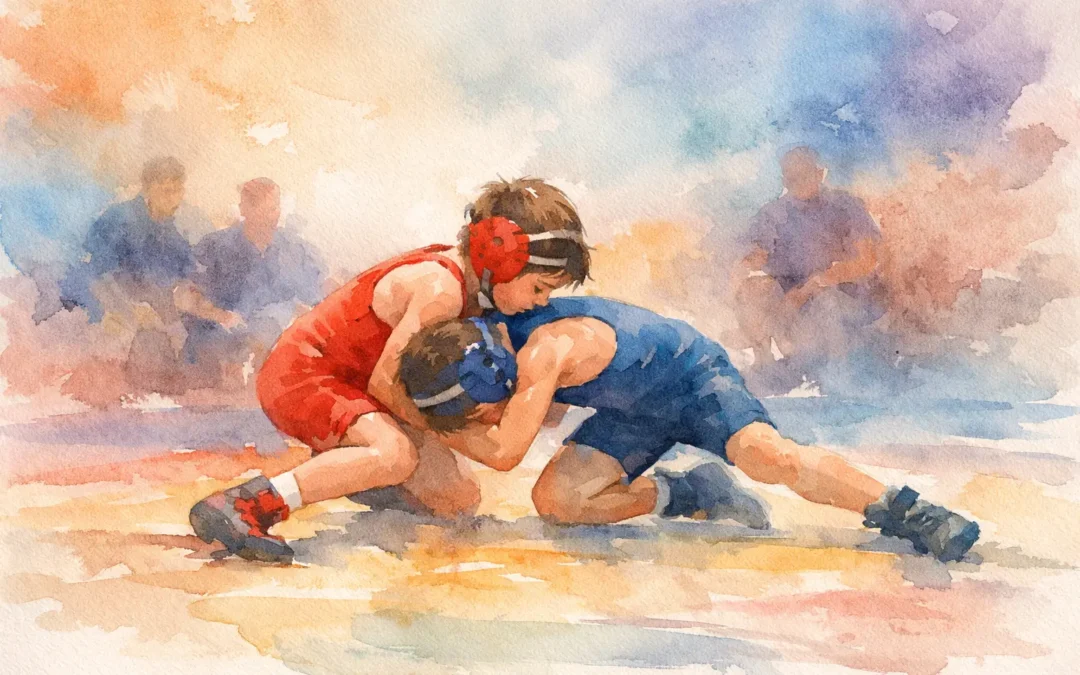
Not every sport teaches a child what to do when things get hard. Wrestling classes for youth stand out because they put young athletes in a position where effort, discipline, and composure matter every single minute. There is no hiding behind the team, no waiting on the bench for a chance to contribute, and no shortcut around the work. For many parents, that is exactly the value.
Wrestling gives kids a place to build strength, balance, coordination, and grit in a structured setting. Just as important, it teaches them how to respond under pressure. A child learns how to stay calm when an opponent pushes forward, how to recover after a mistake, and how to keep working even when a round feels tough. Those lessons do not stay on the mat. They show up at school, at home, and in the way a young person carries themselves.
What wrestling classes for youth actually teach
Parents often come in thinking wrestling is mainly about takedowns and competition. Those skills are part of it, but a quality youth program teaches much more than technique. Good instruction develops body control first. Kids learn stance, movement, posture, hand fighting, and how to use leverage instead of wild strength. That foundation makes training safer and more effective.
At the same time, wrestling develops character in a very direct way. It asks students to listen, stay focused, and give honest effort. A coach can quickly see when a student is distracted, frustrated, or hesitant, which means there are constant opportunities for correction and growth. That level of accountability is one reason so many families value wrestling over less structured activities.
There is also a confidence factor that is hard to fake. When a child realizes they can learn a difficult skill, control their body, and improve through repetition, their mindset changes. Confidence built through real effort tends to be stronger than confidence built on praise alone.
Why parents choose wrestling for growing kids
Many youth activities keep kids busy. Wrestling tends to do more than that. It gives them a challenge with clear standards and measurable progress. For children and teens who need structure, that can be a major advantage.
Wrestling is also one of the most practical ways to improve full-body athleticism. It builds core strength, coordination, flexibility, grip strength, and endurance at the same time. Young athletes in football, baseball, basketball, and other sports often benefit from wrestling because it teaches balance, reaction time, and body awareness in a way few activities can match.
That said, wrestling is not only for highly competitive kids. Some students come in shy, unsure, or inexperienced with sports. In the right class, they do very well. A beginner-friendly youth program should meet students where they are, not expect them to act like advanced competitors on day one.
The benefits of wrestling classes for youth beyond fitness
The physical benefits get attention first, but the long-term value usually goes deeper. Wrestling teaches resilience in a very honest way. Sometimes a student gets taken down. Sometimes they struggle with a drill for weeks before it starts to click. They learn that frustration is part of improvement, not a sign to quit.
That lesson matters for young people. Kids who learn how to work through discomfort often become more patient with schoolwork, more coachable in other settings, and more willing to try again after setbacks. In a world where many children are used to instant feedback and quick entertainment, wrestling asks for patience and steady effort.
It also teaches respect in a practical form. Students learn to shake hands, listen to instruction, train with control, and treat teammates as partners in growth. Strong programs keep expectations clear. Respect for coaches, classmates, and the training space is not optional. It is part of the standard.
For many families, that combination of discipline and encouragement is the real reason to enroll.
What to look for in a youth wrestling program
Not all youth wrestling programs are built the same. Some are highly competition-driven from the start. Others focus more on development, fundamentals, and confidence-building. Neither approach is automatically wrong, but the right fit depends on your child’s age, temperament, and goals.
If your child is young or brand new to training, fundamentals matter more than intensity. A strong beginner program should emphasize proper technique, controlled drilling, and age-appropriate coaching. Students should be challenged, but they should not be overwhelmed. Safety, supervision, and clear structure should be visible from the first class.
Coaching style also matters. The best youth coaches know how to be firm without being harsh. They set a high standard while still encouraging progress. Kids respond well when they know the coach believes in them and expects them to improve.
Parents should also pay attention to the training environment. Is the class organized? Are instructors engaged? Do students seem focused and respectful? A family-friendly academy does not mean a soft academy. It means the culture is disciplined, safe, and built for long-term growth.
Is wrestling right for every child?
It depends on the child, but wrestling can help a much wider range of students than many parents expect. Some kids are naturally competitive and love the challenge right away. Others need time to adjust to close-contact training, physical pressure, or the discipline of repetition.
That adjustment period is normal. In fact, it is often where growth begins. A hesitant child can become more confident over time when coaches guide them with consistency and patience. A high-energy child can learn focus and self-control. A teen who feels disconnected from traditional team sports may find that wrestling gives them a stronger sense of ownership and achievement.
Still, parents should be realistic. Wrestling is demanding. It requires effort, attention, and the willingness to keep learning when things are not easy. That challenge is part of the benefit, but it also means the program should be introduced in a supportive way. The goal is not to throw a child into pressure for the sake of pressure. The goal is to help them build the tools to handle it.
How youth wrestling supports confidence and self-defense
Wrestling is not marketed as a traditional self-defense system in the same way some martial arts are, but it absolutely builds useful self-protection skills. A young person who understands balance, positioning, leverage, and control has a real physical advantage over someone with no training. They are also less likely to panic in a physical situation.
Just as valuable, wrestling teaches students how to stay composed when another person is resisting them. That sense of composure can reduce fear and increase awareness. Confidence grows when kids know they can move with purpose instead of freezing under pressure.
This is one reason many families in Katy look for structured combat-sport training instead of another general fitness activity. They want more than exercise. They want their child to become stronger, more aware, and more self-assured.
Starting youth wrestling the right way
The best first step is simple: choose a program that respects both the sport and the student. Look for certified instruction, a clean and organized academy, and coaches who understand child development as much as technique. Ask how beginners are introduced, how classes are grouped by age or experience, and what the academy expects from students in terms of behavior and effort.
A good first class should feel challenging but clear. Kids should leave knowing they learned something, moved with purpose, and were treated with structure and encouragement. That balance matters. If the class is too loose, progress suffers. If it is too intense too early, some students shut down.
At United Martial Arts Katy, that balance is part of what families value most. Students are pushed to improve, but they are also guided by experienced instructors who understand that real development takes time, repetition, and trust.
Wrestling will not make every class easy, and that is part of its power. It gives young people a place to work, struggle, improve, and earn their confidence one step at a time. For a child who needs discipline, challenge, and a stronger sense of what they are capable of, that can make all the difference.


Recent Comments