

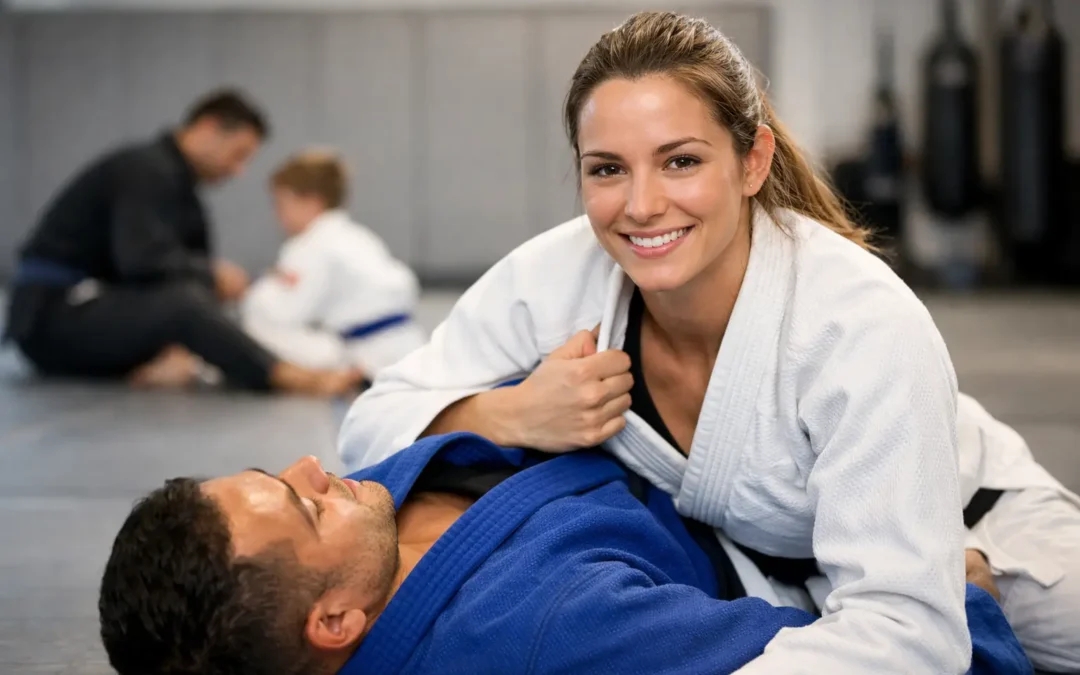
A child who hesitates to speak up, a teenager carrying stress from school, and an adult tired of the same gym routine may seem to have different needs. Jiu jitsu Katy training can meet all three with one disciplined practice: learning how to stay calm, make smart decisions under pressure, and improve one class at a time.
Brazilian Jiu-Jitsu is not about being the loudest or strongest person in the room. It is a skill-based martial art that teaches students how to control distance, use leverage, escape difficult positions, and work toward a safer outcome. At the same time, consistent training builds fitness, resilience, respect, and the confidence that comes from earned progress.
Why Jiu Jitsu Katy Families Choose Matters
Not all martial arts experiences feel the same. A quality academy provides more than a workout or a place to burn energy after school. It creates a structured environment where students know what is expected, instructors set clear standards, and progress has a purpose.
For families in Katy and West Houston, that structure can be especially valuable. Parents want an activity that keeps children active while reinforcing listening skills, self-control, and respect. Teens need a constructive challenge that helps them build confidence without relying on screens or social pressure. Adults often want practical self-defense training and a demanding form of exercise that does not feel repetitive.
Jiu-Jitsu offers a path for each of those goals, but the right fit depends on the academy. Beginner-friendly instruction, qualified coaching, clean training practices, age-appropriate classes, and a supportive culture should all be part of the decision. Students learn best when they feel challenged without feeling intimidated.
What Brazilian Jiu-Jitsu Teaches Beyond the Mat
Jiu-Jitsu is often called a problem-solving martial art. A student may begin in an uncomfortable position and must think clearly, control breathing, protect themselves, and apply a technique with patience rather than panic. Those are useful habits far beyond training.
Confidence Built Through Real Progress
Confidence is not just positive talk. It grows when students see that effort leads to improvement. The first successful escape, the first time a student remembers a sequence, or the first class completed without giving up can become a meaningful win.
Children carry those wins into school, friendships, and new activities. Teens learn that setbacks are not a reason to quit. Adults often rediscover the satisfaction of developing a skill that cannot be rushed or purchased.
Discipline Without Empty Pressure
Discipline in martial arts means showing up, paying attention, practicing the details, and treating training partners with respect. It is not about demanding perfection. Every student has difficult days, and every practitioner eventually works through a challenging technique or tough round.
A good instructor helps students learn accountability while keeping the standard clear. Arrive ready to learn. Follow directions. Train safely. Encourage teammates. Those expectations create a culture where achievement and character develop together.
Practical Self-Defense Awareness
Brazilian Jiu-Jitsu gives students useful tools for close-range situations, especially when someone grabs, holds, or takes them to the ground. Students practice position, balance, escapes, and control under qualified supervision.
Still, responsible self-defense begins with awareness and avoidance. The best outcome is always getting home safely, not proving something in a confrontation. Training should reinforce confidence, restraint, and sound judgment rather than aggression.
Is Jiu-Jitsu Right for Beginners?
Yes, provided the program is designed to teach beginners well. No previous martial arts background, special level of fitness, or athletic history is required to start. The first goal is simply to learn the fundamentals safely.
New students typically begin with movement, posture, basic positions, simple escapes, and an understanding of how to train with a partner. They do not need to know every term or perform every technique perfectly. Skill develops through repetition, coaching, and consistent attendance.
There is a trade-off worth understanding. Jiu-Jitsu can be physically demanding, and it takes time to become comfortable with close-contact training. Some adults prefer the pace of fitness classes, while others are drawn to the technical challenge of grappling. For many people, the initial unfamiliarity becomes part of the reward. As comfort grows, so does capability.
Parents should also look for classes organized by age and maturity level. A young child learns differently from a teenager, and teenagers benefit from instruction that respects both their growing athletic ability and their need for positive guidance.
What a Strong First Class Looks Like
A first Jiu-Jitsu class should feel organized from the moment a student walks in. There may be warmups, basic movement drills, technique instruction, partner practice, and a short review. The pace should be active, but beginners should not be thrown into advanced training without preparation.
Students should expect to use focus and effort, not just strength. Coaches may explain why a position matters, demonstrate the technique in steps, then help students practice it with control. Training partners play an important role too. Jiu-Jitsu depends on cooperation, because both people are responsible for practicing safely.
For children, the first class also reveals how the academy handles behavior and encouragement. Does the instructor know how to redirect a distracted student? Are students treated with patience and respect? Is effort recognized alongside achievement? These details help parents identify an environment where their child can grow.
How to Get More From Your Training
Progress in Jiu-Jitsu is rarely linear. One week, a technique clicks immediately. The next week, a student may feel as if they forgot everything. That is normal. The students who improve most are not always the most naturally athletic. They are often the ones who stay consistent and remain teachable.
To make training more effective, arrive a few minutes early, wear clean training clothes, and come prepared to listen. Ask questions when a detail is unclear, but give yourself time to practice before expecting mastery. Keep a simple note on what you learned after class if that helps you remember key concepts.
Recovery matters as well. Hydration, sleep, and rest days support better performance, especially for adults balancing work, parenting, and training. Students should communicate with instructors about injuries or physical limitations so techniques can be adapted when needed. Training hard is valuable. Training intelligently is what makes it sustainable.
Finding a Jiu-Jitsu Academy That Fits Your Goals
The best academy is not necessarily the one with the most intimidating room or the fastest promise of results. Look for a place that treats student development seriously. Strong programs combine technical instruction with safety, clear progression, and a respectful community.
Ask how beginner students are introduced to sparring or live practice. Find out whether children and adults have separate programs. Observe how instructors interact with students who are struggling. A school should have standards, but it should also have the coaching ability to help people reach them.
At United Martial Arts Katy, Brazilian Jiu-Jitsu training is part of a broader commitment to discipline, honor, and excellence. Students can develop practical grappling skills while training in a family-friendly academy that values mentorship, safety, and long-term personal growth.
The most valuable first step is not waiting until you feel fully ready. Visit a class, watch how the students train, and give yourself or your child the chance to begin. Confidence does not arrive before the challenge. It is built by meeting the challenge with consistent effort.


Recent Comments