

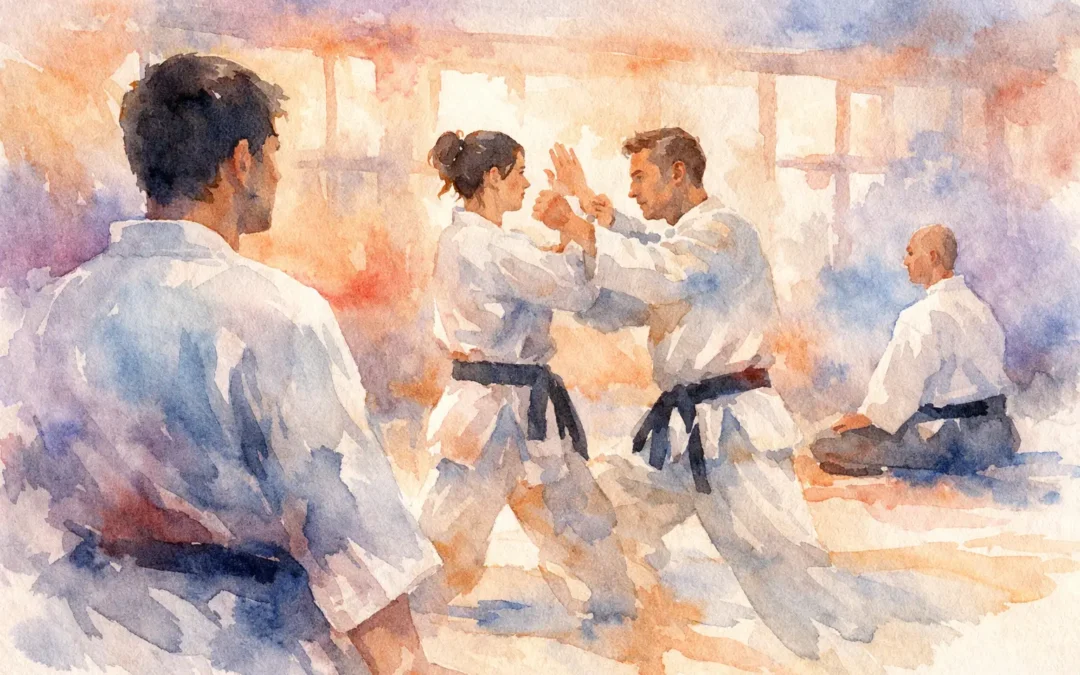
You do not need to be naturally athletic, flexible, or experienced in combat sports to start training. A good guide to adult beginner classes begins with one truth: martial arts is designed to be learned. Every confident black belt, skilled grappler, and disciplined striker once had a first class, a first warm-up, and a first moment of wondering whether they belonged.
Adult martial arts classes offer more than a hard workout. With qualified instruction, they give you a structured way to build practical self-defense skills, improve conditioning, manage stress, and develop confidence that carries into work, family life, and everyday challenges. The right program meets you where you are while expecting you to grow.
What Adult Beginner Classes Should Feel Like
A beginner class should be challenging, but it should never feel careless or intimidating. You may leave tired, but you should also leave with a clearer understanding of what you practiced and why it matters. Good instruction turns unfamiliar movements into manageable steps, whether you are learning a basic stance, a safe fall, an escape, or how to work with a training partner.
Expect a structured class. Most sessions include a warm-up, mobility or conditioning work, technique instruction, supervised partner drills, and a cool-down or review. In Brazilian Jiu-Jitsu and wrestling, beginners often learn positioning, balance, grips, escapes, and controlled movement before more advanced sparring. In Tae Kwon Do, early training may focus on stance, footwork, blocks, strikes, kicks, forms, and discipline.
You are not expected to know everything on day one. You are expected to listen, ask when you are unsure, and give an honest effort. A strong academy creates an environment where experienced students help set the standard without making newcomers feel behind.
Choose a Discipline That Matches Your Goal
There is no single best martial art for every adult. The right choice depends on what you want from training, how you prefer to move, and what will keep you returning consistently.
Brazilian Jiu-Jitsu for control and practical problem-solving
Brazilian Jiu-Jitsu, often called BJJ, focuses on grappling, leverage, position, and submissions. It is especially appealing to adults who want practical self-defense skills without relying solely on size or strength. Training teaches you to remain composed under pressure, solve physical problems methodically, and use technique efficiently.
BJJ is demanding, particularly because it involves close-contact partner work. It can be an excellent fit if you enjoy learning through live, controlled practice. If your main priority is striking or a high-impact cardio workout, however, another program may better match your interests.
Tae Kwon Do for striking, structure, and discipline
Tae Kwon Do develops coordination, flexibility, speed, and striking technique. Adults often appreciate its clear progression, traditional values, and focused training environment. Learning forms and drills can be particularly rewarding for people who like measurable improvement and technical detail.
This style is a strong choice for those seeking confidence, fitness, and a disciplined skill set. The pace and impact can vary by class, so speak with an instructor about modifications if you are returning to exercise after an injury or long break.
Wrestling for athletic movement and conditioning
Wrestling emphasizes balance, takedowns, control, body awareness, and relentless conditioning. It can build strength and endurance quickly while teaching you how to move with purpose against resistance. For adults, beginner-focused instruction is essential because safe technique matters far more than trying to overpower a partner.
Wrestling can be physically intense, but intensity is not the same as chaos. The best programs scale drills appropriately and teach positioning before speed.
Fitness classes for energy and consistency
A fitness-focused class such as Zumba may be the best starting point for someone who wants movement, community, and a fun way to rebuild a consistent exercise habit. It does not replace self-defense training, but it can complement martial arts or give you a lower-pressure entry into an active routine.
How to Find the Right Beginner Program
The class on the schedule matters, but the quality of coaching matters more. Look for certified instructors who can explain techniques clearly, manage safety, and offer adjustments without making you feel singled out. A coach should be able to challenge a fit adult while also helping a true beginner train at an appropriate pace.
Ask whether the academy has classes specifically designed for adults and beginners. A mixed-level class can work well when the culture is supportive, but beginners need clear fundamentals and partners who understand how to train responsibly. You should also ask what happens during live drills or sparring. At a reputable academy, new students are introduced progressively, not thrown into situations they are not prepared to handle.
The atmosphere matters, too. You are more likely to make progress when you train around people who value discipline, respect, and encouragement. A free trial class is useful because it lets you see how instructors correct students, how classmates treat one another, and whether the pace feels productive for you.
For adults in Katy and West Houston, United Martial Arts Katy offers structured instruction across martial arts and fitness programs, with a clear path from first class to long-term progress.
What to Bring to Your First Class
Keep your first visit simple. Wear comfortable workout clothes that allow you to bend, squat, and move freely. Avoid clothing with zippers, sharp accessories, or loose items that could catch on a partner. If you are trying BJJ or wrestling, a fitted T-shirt and athletic shorts or pants are usually appropriate unless the academy provides different guidance.
Bring water and arrive a little early. That gives you time to meet the instructor, complete any paperwork, and mention relevant injuries or limitations. Be direct about a sore knee, a past shoulder issue, or concerns about conditioning. Good coaches need that information to help you train safely.
Personal hygiene is also part of martial arts respect. Keep your nails trimmed, wear clean clothing, and remove jewelry before training. These small habits protect you and the people training beside you.
Your First 30 Days: Focus on Showing Up
Many new students make the same mistake: they judge their potential after one difficult class. Martial arts can feel unfamiliar because you are learning skills that challenge coordination, timing, and confidence at the same time. That discomfort is normal. It is not evidence that you are failing.
For the first month, prioritize attendance over perfection. Two or three classes per week is enough to create momentum for most adults, though your schedule and recovery needs may call for a different pace. Keep a simple note after class about one technique you learned, one question you have, and one small win. Progress becomes easier to recognize when you stop measuring it only by how exhausted you feel.
You may notice early improvements in energy, posture, mobility, and stress relief before you feel technically skilled. Technical confidence comes through repetition. The same escape, stance, kick, or takedown entry may take dozens of quality repetitions before it starts to feel natural. That is how real skill is built.
Train Safely Without Holding Yourself Back
Martial arts should push you, not punish you. Tell your instructor when something hurts beyond normal training fatigue. Tap early in grappling situations, use controlled contact, and do not let pride turn a learning drill into a competition. Training partners are not opponents to defeat in class. They are part of the team helping you improve.
At the same time, avoid waiting until you feel completely ready. Adults often delay starting because they want to lose weight first, get stronger first, or become more flexible first. Training is where those changes begin. A beginner-friendly program provides the guidance, accountability, and community that make consistency more realistic than trying to solve everything alone at a gym.
The best first class is not the one where you look impressive. It is the one that makes you want to return, learn one more skill, and take the next step with confidence.


Recent Comments