

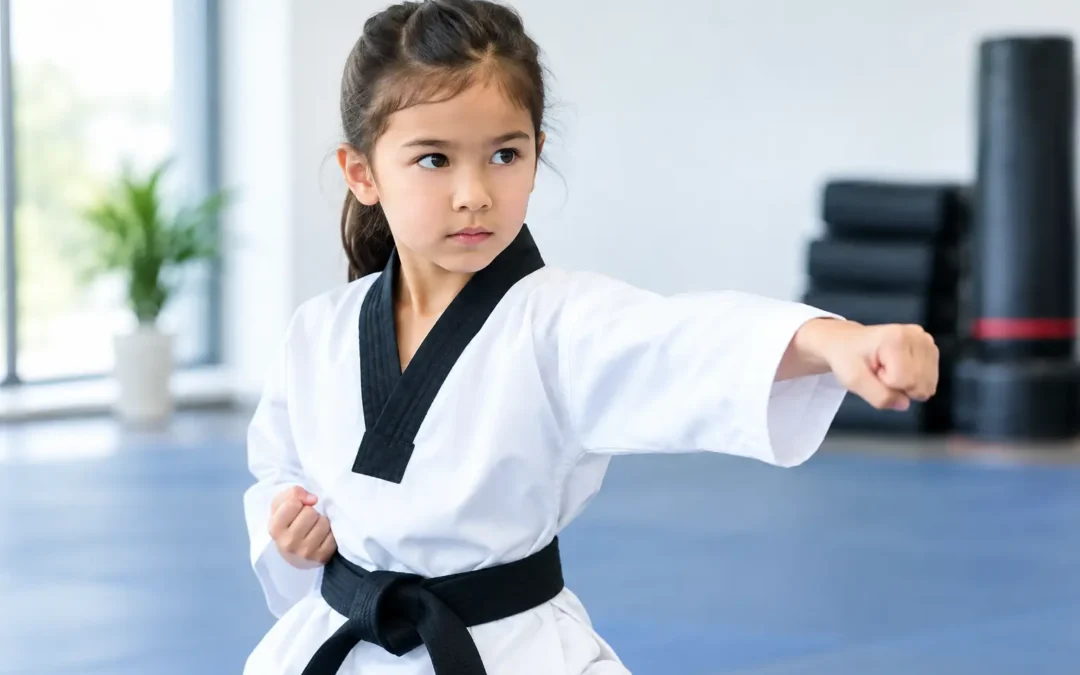
The moment an instructor calls a class to attention, every student has a job: stand still, eyes forward, listen, and respond. That repeated practice is one reason parents ask how a child improved focus through taekwondo. The answer is not a magic belt or a single lesson. It is a structured process that gives children clear expectations, physical outlets, and meaningful reasons to practice self-control.
For many families, focus is not simply about getting a child to sit quietly. It is about helping them finish homework, follow directions the first time, manage frustration, and stay present when something feels difficult. Tae Kwon Do trains those skills in a setting that is active, encouraging, and built around steady progress.
How Taekwondo Builds Focus One Class at a Time
A well-run Tae Kwon Do class gives children a predictable rhythm. They line up, bow in, warm up, practice techniques, work with partners or pads, and close class with respect. This routine matters because children do better when they know what is expected of them and what comes next.
During instruction, students must listen for details. A kick is not just a kick. They learn where to place their feet, how to keep their hands up, when to breathe, and when to stop. If they rush ahead or let their attention wander, they miss a step. The immediate feedback helps connect concentration with better performance.
Unlike a lecture at school, Tae Kwon Do asks children to use their attention while moving. For some children, that is the key difference. They may struggle to stay engaged at a desk but respond well when focus has a physical purpose. Learning a form, holding a stance, or striking a target correctly gives their mind something specific to organize around.
The goal is not perfect stillness. The goal is controlled attention: knowing when to move, when to wait, and how to return focus after a distraction.
Clear Commands Create Better Listening Habits
Tae Kwon Do instruction uses direct commands and consistent language. Students learn to pause when an instructor speaks, watch demonstrations, and carry out a sequence in the right order. Over time, those habits can carry into other environments.
A child who practices listening before acting may become more prepared to hear a teacher’s full directions. A child who learns to wait for a turn during partner drills may handle group activities more calmly. Progress will look different for every student, but the practice itself is valuable because it happens week after week.
Goals Give Attention a Reason
Children are more likely to concentrate when the work feels meaningful. Belt advancement provides a visible path forward. A student learns that consistent attendance, respectful behavior, technique practice, and perseverance all contribute to earning the next rank.
That lesson is bigger than a colored belt. It teaches children that improvement usually comes from repeated effort, not from doing something perfectly on the first attempt. When a technique is challenging, a student has a reason to slow down, listen closely, and try again.
Why a Child Improved Focus Through Taekwondo May Look Different at Home
Parents often notice small changes before dramatic ones. A child may start packing their uniform without repeated reminders, remember class rules, or stay with a task a little longer than before. These are meaningful signs of growing follow-through.
Tae Kwon Do can also give children a healthy outlet for energy after a school day. Physical activity does not eliminate distraction, but it can help children feel more settled and ready to transition into the next part of their routine. After training, some children are better able to approach dinner, chores, or homework with a calmer mindset.
The strongest results usually come when martial arts and home expectations support each other. Parents do not need to turn the house into a dojo. Simple connections are enough: recognize effort, ask what skill they practiced, and encourage them to use the same respect and persistence at home that they use in class.
For example, if a child is working on a challenging form, a parent might say, “Use the same patience you use when learning your steps.” That language reminds them that focus is a skill they can practice in more than one place.
Focus Is Taught Through Discipline, Not Pressure
There is a difference between discipline and harshness. Effective Tae Kwon Do instruction sets firm standards while giving children a safe place to learn from mistakes. Students are expected to pay attention and show respect, but they are also coached through the process of improving.
This balance is especially helpful for children who become discouraged easily. If they lose focus during a drill, the answer is not shame. It is a reset: stand ready, look forward, listen, and try the next repetition with intention. Learning to recover after a mistake is one of the most practical forms of focus a child can develop.
At United Martial Arts Katy, children train with certified instructors who understand that confidence and discipline grow together. A beginner does not need prior athletic experience to benefit. What matters is a willingness to show up, learn the basics, and build positive habits over time.
What Parents Should Look for in a Tae Kwon Do Program
Not every class environment will support focus equally well. A program should be organized enough that children know the rules, yet encouraging enough that beginners do not feel intimidated. Look for instructors who give age-appropriate directions, correct students respectfully, and keep students actively engaged rather than waiting around for long stretches.
Class size and age grouping can matter, too. Younger children often need shorter explanations and more movement, while older children and teens may benefit from deeper technical goals and leadership opportunities. The best fit depends on your child’s age, temperament, and current needs.
Consistency is another factor. One class may be exciting, but focus develops through repetition. Attending regularly gives children time to absorb routines, form relationships with instructors, and see that effort leads to progress. A free trial class can help families see whether the structure and teaching style feel right.
Set Realistic Expectations for Your Child
Tae Kwon Do is a powerful tool for personal development, but it is not a replacement for professional support when a child has significant attention, learning, or behavioral concerns. If you have concerns about ADHD, anxiety, sensory needs, or school performance, speak with your child’s pediatrician, teacher, or qualified specialist.
Martial arts can still be a valuable part of a broader support plan. The physical routine, clear boundaries, and positive mentorship may complement other strategies a family is using. Be honest with the instructor about what helps your child succeed, while respecting your child’s privacy and comfort.
Avoid measuring progress against another student. One child may become noticeably calmer in a few weeks. Another may need months before they can stay attentive through a full sequence. Both can be making real progress. The meaningful question is whether your child is becoming more capable of pausing, listening, persisting, and recovering from distraction.
A focused child is not one who never gets restless or makes mistakes. It is a child who learns how to return to the task in front of them. Tae Kwon Do gives that return a practical rhythm: ready stance, eyes forward, one instruction, one effort at a time.


Recent Comments